





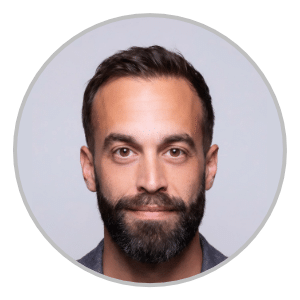
Alfonso Tedeschi, Ph.D. |FUJIFILM Cellular Dynamics
Alfonso Tedeschi is a scientist with a PhD in Regenerative Medicine from UCL and a strong background in stem cell biology, human cellular models and translational research. Now a Field Application Scientist at FUJIFILM Cellular Dynamics, he brings together his experience in academia and biotech to help researchers turn innovative science into meaningful discoveries.
Anthony Flemming, Ph.D. | Syngenta
After studies at Imperial College London, Anthony joined Syngenta in 2002. He pioneered the development of new genetic approaches for mechanism-of-action research and led mechanistic studies for two Syngenta products: Tymirium and Tinivion. He is interested in molecular interactions between chemistry and biology and how these can be used to drive chemical design and selection. He currently leads Syngenta’s Exploratory Toxicology project aimed at developing cell-based tools for addressing human safety risk in our early, crop protection research portfolio.
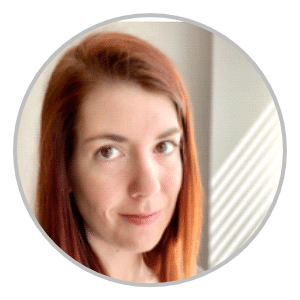
Carol De Santis, Ph.D. | AstraZeneca
Carol De Santis, Ph.D. is a Senior Scientist in the Safety Innovation department at AstraZeneca.
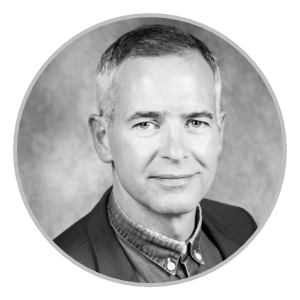
Damian Bell, Ph.D. | Sophion
Damian Bell obtained his PhD in Annette Dolphin’s lab, UCL, studying GPCR modulation of voltage-gated calcium channels. His post-doctoral research in Steve Siegelbaum’s lab, Columbia University, NYC, focused on HCN ion channel voltage-sensing. On returning to the UK, he worked on the burgeoning automated patch clamp platforms, specializing in ion channel drug discovery for large (AstraZeneca & GSK) and small pharma (Convergence); CROs (Charles River Laboratories & Metrion); & the antibody engineering biotech IONTAS. In 2020, Damian joined Sophion Bioscience, a Danish technology R&D company & global leaders in automated patch clamp.
Dean Nizetic, M.D., Ph.D. | Queen Mary University of London
Dean Nizetic received his M.D. at the Faculty of Medicine, University of Zagreb, Croatia, in 1982. He performed experimental work for his PhD thesis in Molecular Biology at the Max-Planck-Institute for Biology in Tuebingen, Germany. He was a postdoc at the ICRF Genome Analysis Department in London (1987-1994). From 1994, he is an independent group leader at School of Pharmacy, University of London (today UCL). From July 2001, he obtained a Chair in Cellular and Molecular Biology at Barts and The London School of Medicine, Queen Mary University of London, and from 2014-2020 he also held the position of Professor of Molecular Medicine at Lee Kong Chian School of Medicine in Singapore. He is one of the pioneers of modelling Alzheimer’s disease, cellular ageing and Down syndrome using induced pluripotent stem cells and cerebral organoids.
Giancarlo Forte, Ph.D. | King’s College London
Giancarlo Forte is a Senior Lecturer in Cardiac Mechanobiology at the British Heart Foundation (BHF) Centre of Excellence at the School of Cardiovascular and Metabolic Medicine and Sciences (SCMMS), King’s College London, United Kingdom. He is member of the Medical Research Council / British Heart Foundation (MRC/BHF) Centre of Excellence for Advanced Cardiac Therapeutics (RE-ACT) at KCL.
Additionally he serves as a member of the Executive Board of the School of Cardiovascular and Metabolic Medicine and Sciences at KCL where he is Cross-cutting Theme Lead - Basic Cardiovascular and Metabolic investigations.
He sits in numerous PhD boards in Italy, Czech Republic and UK, is the Vice Chair of the scientific board of the Czech Science Foundation (p303, GACR) and is a member of the Working Groups on ‘Disease Models/iPS Cells/Organoids’, European Society of Gene and Cell Therapy (ESGCT) and on Cellular Biology of the Heart of the European Society for Cardiology (ESC).
Forte lab focuses mainly on pathological mechanosensing and contributed knowledge on pathological mechanosensing by identifying the positive loop by which Yes Associated Protein (YAP) reinforces focal adhesion assembly in breast cancer cells (Nardone et al., Nat Commun 2017) and by disclosing the molecular basis of force-regulated mRNA alternative splicing in the failing human heart (Martino et al., Sci Transl Med 2022). Additionally, they unveiled the role of YAP mechanosensor in perpetuating adverse ventricular ECM remodelling in the failing human heart (Perestrelo et al., Circ Res 2021) and in tumour chemoresistance against nanodrugs (Cassani et al., Adv Sci 2024; Cassani et al., Nano Letters 2025).
Giulio Ciucci, Ph.D. | Cardiovascular Biology Laboratory at ICGEB
Giulio Ciucci is a postdoctoral researcher in the Cardiovascular Biology Laboratory at ICGEB Trieste, where he studies mechanotransduction in cardiomyocytes, microvasculature and cancer cells using engineered tissues. He earned his PhD from the University of Trento, developing a system to modulate mechanical loading in engineered heart tissues and a 3D cryoinjury model of myocardial infarction. He subsequently joined the Disease Biophysics Group at Harvard SEAS, where he developed engineered microvasculature based on anisotropic nanofiber scaffolds for the vascularization of cardiac tissues.

Paola Ochetta, Ph.D. | BiomimX
Paola Occhetta is CEO and co-founder of BiomimX S.r.l., a Politecnico di Milano spin-off developing human-relevant, mechanically active organ-on-chip platforms for drug discovery, safety assessment, disease modelling, and advanced therapies. She has over 15 years of experience in microfluidics, tissue engineering, 3D cell culture, and organ-on-chip technologies, with particular expertise in cardiac safety, disease modelling, and regulatory adoption of advanced in vitro models.
She coordinates multidisciplinary collaborations with pharmaceutical companies, CROs, academic institutions, technology partners, and regulatory stakeholders. She is actively involved in European and national research and innovation projects, including Horizon Europe projects ERC, EIC Pathfinder and MSCA. She is also involved in the standardization and regulatory adoption of organ-on-chip technologies through her activities within ISO 276 and the Industrial Alliance for Microphysiological Systems. She is Associate Professor at Politecnico di Milano, where she leads research activities focused on organ-on-chip and AI technologies integration. She has authored more than 45 peer-reviewed scientific publications and is inventor of two patents.
Paul Kurtenbach, Ph.D. | Bayer Crop Science
Paul grew up in Cologne, Germany and studied International Business in Maastricht, Netherlands and Buenos Aires, Argentina. After completing the study program and starting a career in risk consulting, Paul decided to exchange the business suit for a lab coat and started to study biology (BSc, Cologne) and toxicology (MSc, Düsseldorf) afterwards. Realizing that mass spectrometry is incredibly helpful in answering many toxicological questions Paul started a mass spec-focused PhD, which also included the development of a blood-brain barrier model for brain exposure prediction.

Silvia Cainarca, Ph.D. | Axxam
Silvia has more than 20 years of experience in the drug discovery field and a strong background in cellular and molecular biology. She has followed discovery programs from assay setup and compound testing to Hit-to-Lead validation, with a focus on compound characterization during the optimization process in the Discovery Biology Unit as Principal Scientist. Her main areas of expertise include the development of functional cell-based assays using relevant cell types, the management of Hit-to-Lead programs, and the coordination of assay development activities alongside functional and epigenetic screening using iPSC-derived cells. She is the project leader for grants financed by the European Community and national and international funding bodies. She also serves as Principal Investigator in important collaborations with international clients and partners in the field of iPSC-derived cells.